Wat Burapharam: Surin's Principal Temple and the Luang Pho Phra Chi Buddha
Wat Burapharam: Surin's Principal Temple and the Luang Pho Phra Chi Buddha
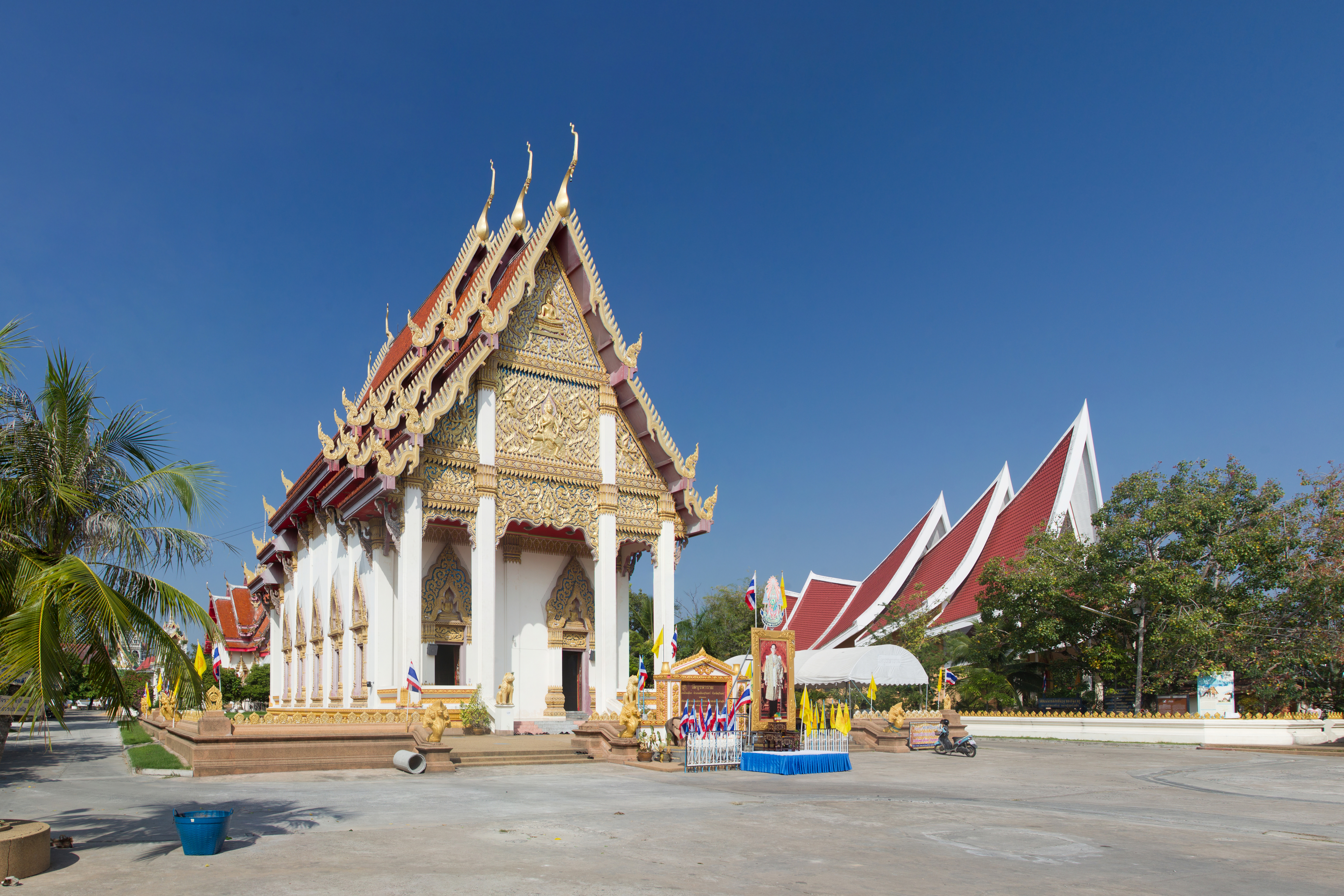
Every Isan town has one temple that belongs to everybody, and in Surin that temple is Wat Burapharam. Standing in the heart of the old town, a short walk from the city pillar shrine and the provincial hall, Wat Burapharam is Surin's principal royal temple — the wat where the province gathers for major Buddhist holy days, where ordinations and funerals anchor family life, and where visitors find the city's most revered Buddha image, Luang Pho Phra Chi. If you only visit one temple in Surin town, make it this one, ideally in the cool of the morning when the monks are chanting and the grounds are at their calmest.
The temple's roots reach back to the early Rattanakosin period, when Surin was a frontier town of elephant hunters and traders. Like the town itself, Wat Burapharam grew slowly — hall by hall, chedi by chedi — into the spacious, tree-shaded compound you see today. It is not a Khmer ruin and it does not try to compete with the ancient prasats out in the districts. Its power is different: this is a living temple, busy every single day of the year.
Luang Pho Phra Chi, the Image Everyone Comes For
The heart of Wat Burapharam is Luang Pho Phra Chi, an ancient Buddha image held in deep reverence across Surin province. Local tradition dates the image back centuries, and whatever its exact age, its hold on Surin people is unmistakable: students come before exams, traders before opening a shop, families before a journey, and almost everyone during the Elephant Fair season in November, when the temple fills with visitors asking for a safe and lucky year. The etiquette is the same as at any revered image in Thailand — dress modestly, kneel, keep your voice low, and follow what the grandmothers in front of you are doing. Flower garlands, lotus buds and gold leaf are sold at small stalls near the hall for a few baht.
Around the main hall, the compound rewards a slow wander: subsidiary shrines, a chedi, sermon halls with painted murals, and shaded corners where novices sweep leaves and old men play chess in the heat of the day. Read the murals if you can — Isan temple painting tells the Buddha's life and local folk tales in a style quite different from Bangkok's polished temple art, earthier and full of everyday Surin scenes.

The Temple in the Town's Year
Wat Burapharam is where Surin's calendar happens. On Magha Puja, Visakha Puja and Asalha Puja the grounds fill at dusk for the wien tien candle procession, hundreds of people circling the hall three times with candles, incense and lotus buds — visitors are welcome to join quietly. At Songkran the temple courtyard becomes a sand-chedi building ground and the year's biggest merit-making crowd. During the November Elephant Fair and Roundup weeks, the temple is part of the season's rhythm too: mahouts and elephant owners have traditionally sought blessings here, a reminder that in Surin the elephant is not a tourist symbol but a member of the community. And on ordinary days — which are most days — the temple runs a school, hosts meditation, and feeds a small army of temple cats and dogs.
Pair It With the Old Town
Wat Burapharam sits inside Surin's walkable old-town core. The city pillar shrine is nearby, the morning market is an easy stroll, and the railway station — with its famous stand-and-eat meatballs just up the line in neighbouring Buriram's style, and Surin's own station food stalls — is close enough to combine into one unhurried morning: market breakfast, temple visit, coffee, then the station for the late-morning train crowd. Surin rewards travellers who slow down, and this temple is the natural place to start.
| Item | Typical cost | Notes |
|---|---|---|
| Temple entry | Free | Donations welcome; open daily, daylight hours |
| Flowers, lotus and incense set | ฿20–฿40 | Sold at stalls by the main hall |
| Gold leaf packet | ฿10–฿20 | For applying to the Buddha image where permitted |
| Tuk-tuk from Surin railway station | ฿40–฿60 | Or a flat, easy walk of about 10 minutes |
| Market breakfast near the temple | ฿40–฿80 | Rice soup, noodles and Thai coffee at local prices |

Good Manners, Briefly
Cover shoulders and knees, take off shoes before entering any hall, never point your feet at a Buddha image, and ask before photographing monks or worshippers up close. Go before 10:00 if you want the temple quiet, or at dusk on a holy day if you want to see Surin at prayer. Either way, Wat Burapharam gives you the thing the big Khmer ruins cannot: Surin as its own people live it.
— ภาษาไทย —
วัดบูรพาราม: วัดหลักของสุรินทร์และหลวงพ่อพระชี
ทุกเมืองในอีสานมีวัดหนึ่งที่เป็นของทุกคน และที่สุรินทร์ วัดนั้นคือวัดบูรพาราม วัดแห่งนี้ตั้งอยู่ใจกลางเมืองเก่า เดินไม่ไกลจากศาลหลักเมืองและศาลากลางจังหวัด เป็นพระอารามหลวงหลักของสุรินทร์ วัดที่ชาวจังหวัดมารวมกันในวันสำคัญทางพุทธศาสนา เป็นที่จัดงานบวชและงานศพของครอบครัว และเป็นที่ประดิษฐานพระพุทธรูปศักดิ์สิทธิ์ที่สุดของเมือง คือหลวงพ่อพระชี หากคุณจะเที่ยววัดเพียงแห่งเดียวในตัวเมืองสุรินทร์ ขอให้เป็นวัดนี้ และควรมาช่วงเช้าตอนอากาศเย็น ขณะพระกำลังสวดมนต์และบริเวณวัดสงบที่สุด
รากของวัดย้อนไปถึงต้นสมัยรัตนโกสินทร์ เมื่อสุรินทร์ยังเป็นเมืองชายแดนของพรานช้างและพ่อค้า เช่นเดียวกับตัวเมือง วัดบูรพารามค่อย ๆ เติบโตทีละอาคาร ทีละเจดีย์ จนกลายเป็นบริเวณกว้างขวางร่มรื่นอย่างที่เห็นทุกวันนี้ วัดนี้ไม่ใช่ปราสาทขอมโบราณและไม่ได้แข่งกับปราสาทเก่าแก่ตามอำเภอต่าง ๆ พลังของมันต่างออกไป นี่คือวัดที่มีชีวิต คึกคักทุกวันตลอดทั้งปี
หลวงพ่อพระชี พระพุทธรูปที่ทุกคนตั้งใจมาไหว้
หัวใจของวัดบูรพารามคือหลวงพ่อพระชี พระพุทธรูปโบราณที่ชาวสุรินทร์ทั้งจังหวัดเคารพอย่างลึกซึ้ง ตำนานท้องถิ่นเล่าอายุขององค์พระย้อนไปหลายศตวรรษ และไม่ว่าอายุจริงจะเป็นเท่าใด ความผูกพันของชาวสุรินทร์ก็เห็นได้ชัดเจน นักเรียนมาไหว้ก่อนสอบ พ่อค้ามาไหว้ก่อนเปิดร้าน ครอบครัวมาไหว้ก่อนเดินทาง และแทบทุกคนในช่วงงานช้างเดือนพฤศจิกายน เมื่อวัดแน่นไปด้วยผู้คนที่มาขอพรให้ปีใหม่ปลอดภัยและโชคดี มารยาทก็เหมือนการไหว้พระศักดิ์สิทธิ์ทั่วไปในไทย แต่งกายสุภาพ คุกเข่า พูดเสียงเบา และทำตามคุณยายที่อยู่ข้างหน้าคุณ พวงมาลัย ดอกบัว และทองคำเปลวมีขายที่ร้านเล็ก ๆ ใกล้วิหารในราคาไม่กี่บาท
รอบวิหารหลัก บริเวณวัดชวนให้เดินช้า ๆ มีศาลาและที่ประดิษฐานรอง เจดีย์ ศาลาการเปรียญพร้อมจิตรกรรมฝาผนัง และมุมร่มไม้ที่สามเณรกวาดใบไม้และผู้สูงอายุนั่งเล่นหมากรุกในยามบ่าย ลองอ่านภาพจิตรกรรมดู จิตรกรรมวัดอีสานเล่าเรื่องพุทธประวัติและนิทานพื้นบ้านในสไตล์ที่ต่างจากงานวัดกรุงเทพฯ อย่างชัดเจน ติดดินกว่าและเต็มไปด้วยฉากชีวิตประจำวันของชาวสุรินทร์
วัดกับปฏิทินของเมือง
วัดบูรพารามคือที่ที่ปฏิทินของสุรินทร์เกิดขึ้น ในวันมาฆบูชา วิสาขบูชา และอาสาฬหบูชา ลานวัดจะเต็มตั้งแต่พลบค่ำด้วยพิธีเวียนเทียน ผู้คนหลายร้อยเดินวนรอบวิหารสามรอบพร้อมเทียน ธูป และดอกบัว นักท่องเที่ยวสามารถร่วมอย่างเงียบ ๆ ได้ ในวันสงกรานต์ ลานวัดกลายเป็นที่ก่อเจดีย์ทรายและเป็นจุดทำบุญที่คึกคักที่สุดของปี ส่วนในช่วงงานช้างและงานแสดงช้างเดือนพฤศจิกายน วัดก็เป็นส่วนหนึ่งของจังหวะเทศกาลเช่นกัน ควาญช้างและเจ้าของช้างมักมาขอพรที่นี่ตามประเพณี เป็นเครื่องเตือนว่าในสุรินทร์ ช้างไม่ใช่สัญลักษณ์สำหรับนักท่องเที่ยว แต่เป็นสมาชิกของชุมชน และในวันธรรมดา ซึ่งคือวันส่วนใหญ่ วัดก็เปิดโรงเรียน จัดปฏิบัติธรรม และเลี้ยงแมวกับสุนัขวัดอีกจำนวนไม่น้อย
เที่ยวต่อกับย่านเมืองเก่า
วัดบูรพารามตั้งอยู่ในย่านเมืองเก่าของสุรินทร์ที่เดินเที่ยวได้ ศาลหลักเมืองอยู่ใกล้ ๆ ตลาดเช้าเดินถึงสบาย และสถานีรถไฟก็อยู่ใกล้พอจะรวมเป็นเช้าที่ไม่เร่งรีบได้ในทริปเดียว กินข้าวเช้าที่ตลาด ไหว้พระที่วัด จิบกาแฟ แล้วไปสถานีดูบรรยากาศผู้คนช่วงสาย สุรินทร์ให้รางวัลแก่นักเดินทางที่เดินช้าลง และวัดแห่งนี้คือจุดเริ่มต้นที่เป็นธรรมชาติที่สุด
| รายการ | ค่าใช้จ่ายโดยทั่วไป | หมายเหตุ |
|---|---|---|
| ค่าเข้าวัด | ฟรี | บริจาคตามศรัทธา เปิดทุกวันช่วงกลางวัน |
| ชุดดอกไม้ ดอกบัว และธูป | ฿20–฿40 | ขายที่ร้านข้างวิหารหลัก |
| ทองคำเปลว | ฿10–฿20 | สำหรับปิดทององค์พระในจุดที่อนุญาต |
| ตุ๊กตุ๊กจากสถานีรถไฟสุรินทร์ | ฿40–฿60 | หรือเดินสบาย ๆ ราว 10 นาที |
| อาหารเช้าที่ตลาดใกล้วัด | ฿40–฿80 | ข้าวต้ม ก๋วยเตี๋ยว และกาแฟไทยราคาท้องถิ่น |
มารยาทสั้น ๆ
แต่งกายปิดไหล่และเข่า ถอดรองเท้าก่อนเข้าอาคารทุกหลัง อย่าชี้เท้าไปทางพระพุทธรูป และขออนุญาตก่อนถ่ายภาพพระหรือผู้มาไหว้พระในระยะใกล้ มาก่อน 10:00 น. หากอยากได้ความเงียบ หรือมาช่วงพลบค่ำในวันพระหากอยากเห็นสุรินทร์ขณะสวดมนต์ ไม่ว่าจะเลือกแบบไหน วัดบูรพารามจะให้สิ่งที่ปราสาทขอมใหญ่ ๆ ให้ไม่ได้ นั่นคือสุรินทร์อย่างที่ชาวสุรินทร์ใช้ชีวิตกันจริง ๆ


Comments
Post a Comment